The Harmonica Vision
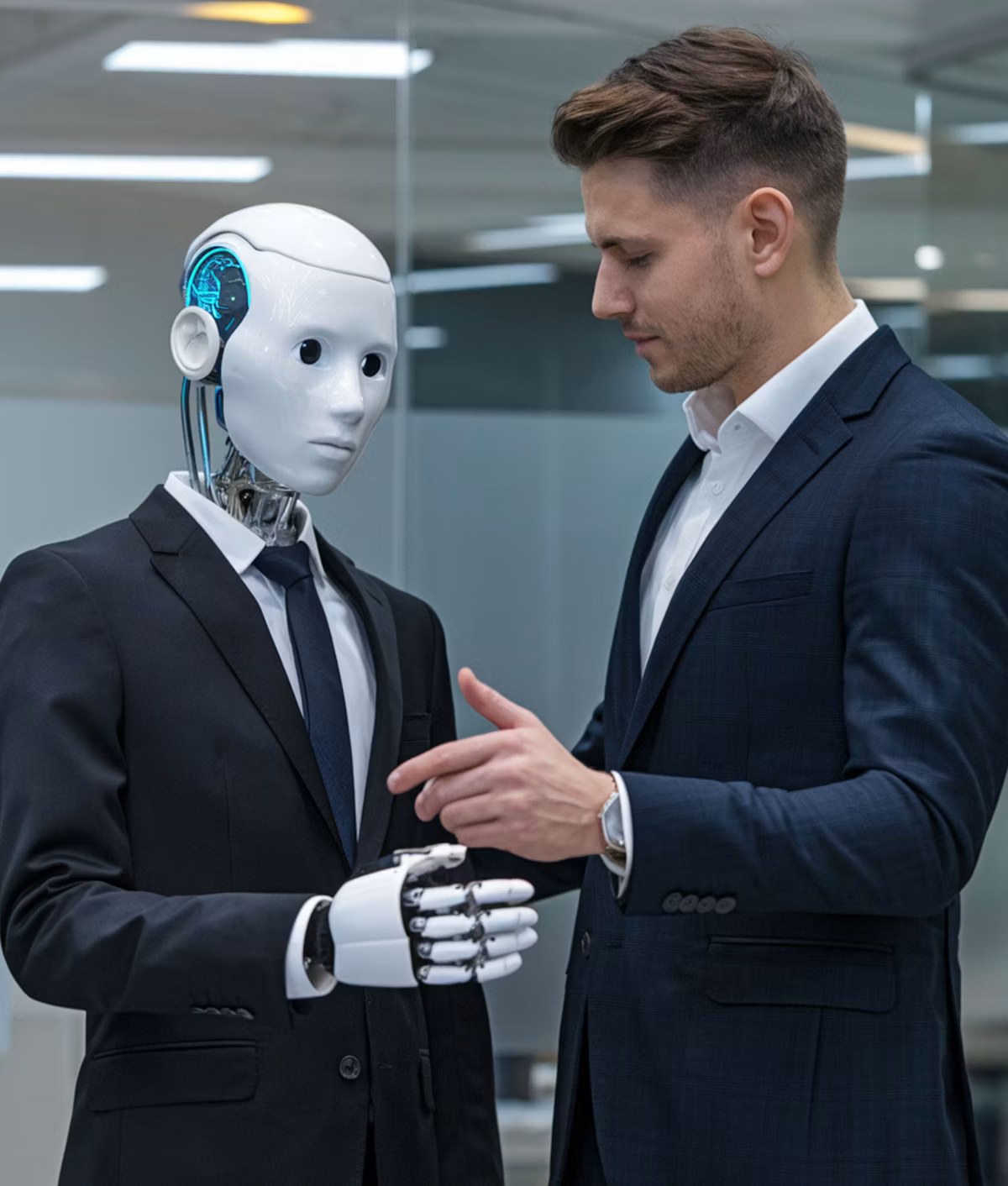
Our vision is to place people at the centre of industrial innovation, empowering workers through human-centric AI, robotics, and digital technologies while advancing a safer and more resilient circular economy.
Transforming recycling through human-centred Industry 5.0
HARMONICA — Human-Machine Knowledge, Skills, and Dexterity Hybrid Augmentation in Advanced Recycling Manufacturing - is a Research and Innovation Action advancing Europe’s recycling sector from Industry 4.0 to human-centric Industry 5.0, turning hazardous and labour-intensive environments into safer, more efficient, and more attractive workplaces through physical and cognitive augmentation.
-
Human-Centric Augmentation
Participatory design ensures technologies support diverse worker needs and keep safety, wellbeing, and inclusion at the core.
-
Robotics, AI & Digital Twins
Multimodal sensing, semi-autonomous mobile manipulators, and Psy-PhyTwin models provide adaptive support in complex shopfloor conditions.
-
Advanced Recycling Use Cases
Solutions are validated in living labs across EV batteries, rare earth magnets, and mixed waste recycling.
 6 Project
Objectives
36-Month Programme
Six objectives driving human-centric recycling innovation
HARMONICA’s objectives move advanced recycling toward an Industry 5.0 paradigm where workers, robotics, AI, and digital twins operate together to improve safety, productivity, training, and resilience.
Establish a participatory SSH-informed framework so augmentation tools are inclusive, ethical, and aligned with real worker needs.

Develop non-invasive systems that monitor the shopfloor, predict worker intentions, and assess asset conditions in real time.
Create mobile manipulators that inspect hazardous areas and perform dangerous tasks while learning from human interaction.
Build a psychological-physical digital twin that tracks fatigue, stress, and physical capabilities to deliver adaptive support.
Implement adaptive interfaces that respond to mental workload and provide immersive mixed-reality environments for faster upskilling.
Validate the solutions in living labs and digital twins across EV batteries, rare earth magnets, and mixed waste use cases.
Measurable impact for workers, industry, and the circular economy
HARMONICA targets tangible improvements in worker wellbeing, productivity, training efficiency, and environmental performance, while strengthening Europe’s ability to recover critical raw materials such as lithium and cobalt.
Targeted productivity increase compared with current safety-standard-based solutions.
A phased roadmap from co-design to living lab validation
The project follows a transdisciplinary, agile build-measure-learn methodology: early months focus on ethical guardrails, co-creation, requirements, and datasets, followed by iterative integration and testing in living labs from M16 to M36.
Problem Framing & Ethics
M1-M15 establish ethical guardrails, co-creation workshops, requirements, architecture, and AI training datasets.
Human-Informed Development
Scientific innovation is shaped by worker and manager insights through an agile build-measure-learn cycle.
Integration & Living Labs
M16-M36 deploys sensing, AMMs, digital twins, adaptive HMI, and training tools into real-world validation environments.
Evaluation & Uptake
Results are refined through feedback, then translated into exploitation, dissemination, and standardisation pathways.
Innovation beyond machine-centric automation
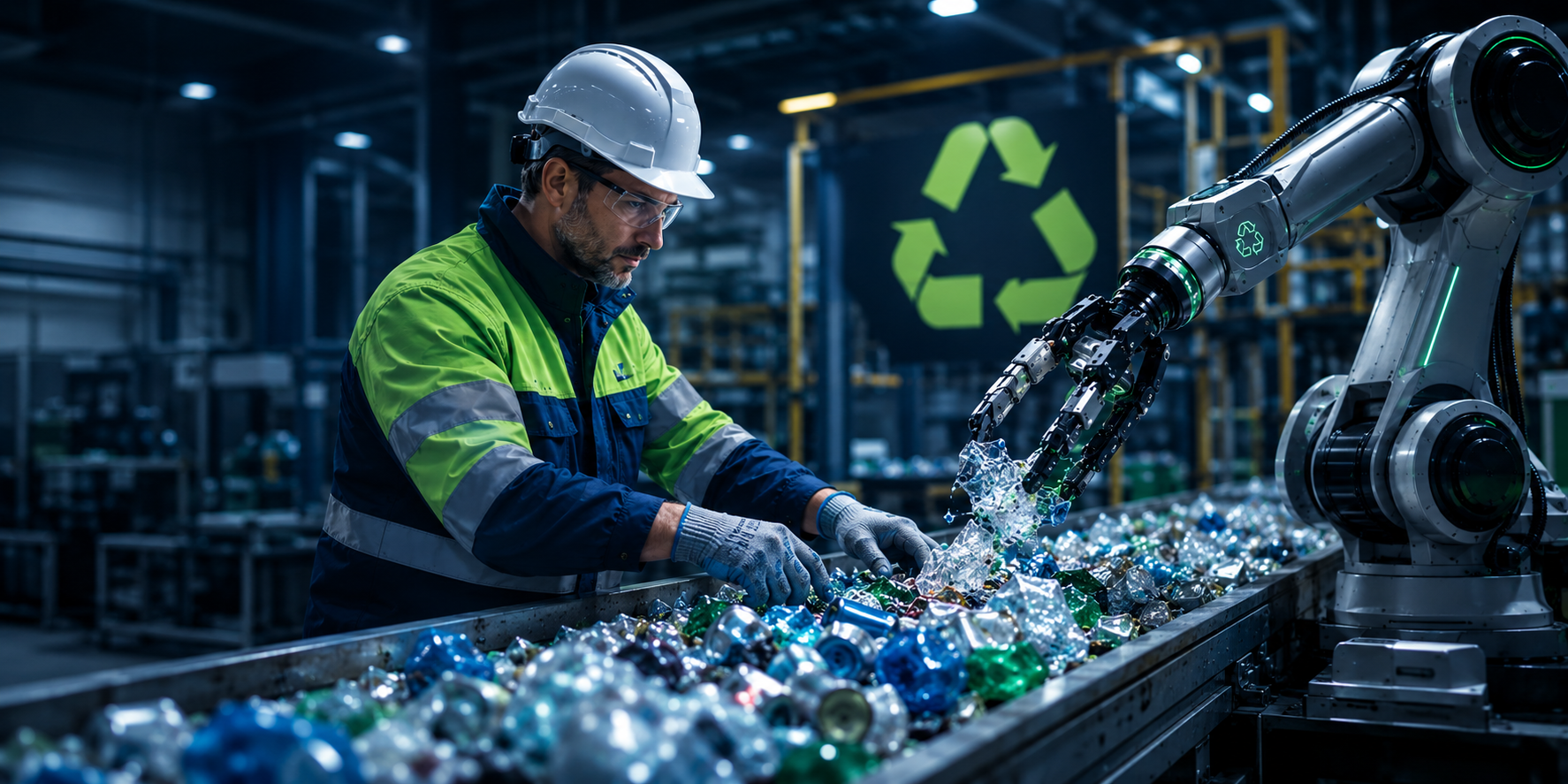
HARMONICA combines user-driven co-design, psychological-physical digital twins, bidirectional skill transfer, and adaptive AI guidance to create recycling workplaces where technology augments people rather than replacing them.
User-Driven Co-Design:
Workforce participation is embedded into the design process, shifting recycling innovation from machine-centric systems to human-inclusive ecosystems.
Psy-PhyTwin Intelligence:
A new digital twin paradigm models both psychological and physical worker states to support safer, more adaptive operations.
Bidirectional Skill Transfer:
Robots assist workers, learn from human interaction, and support AI-guided upskilling for complex recycling tasks.
Adaptive Vision Companions:
Real-time AI guidance helps identify hazards and supports workers through complex recycling steps as they progress.